
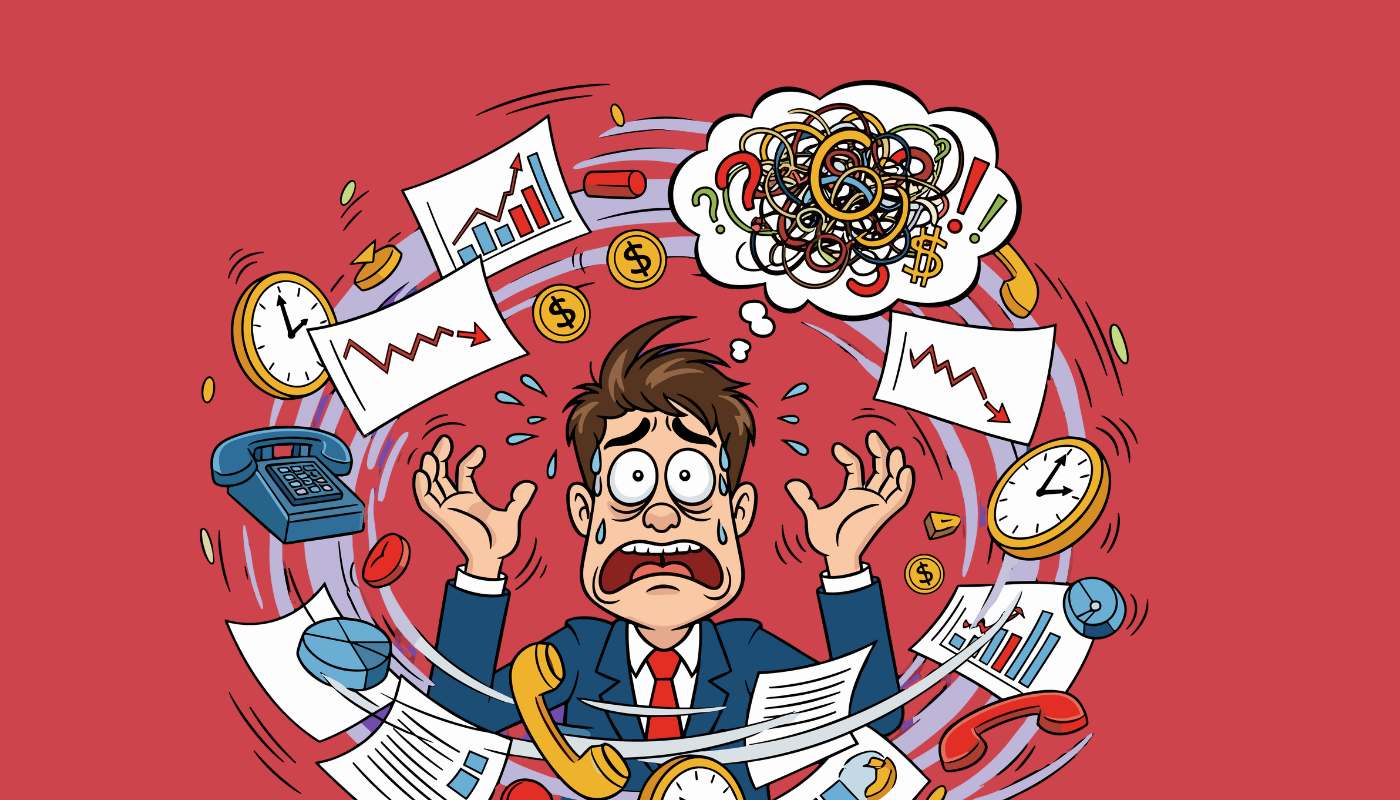
Understanding When Stress Becomes Too Much
Stress is something nearly everyone experiences — and to some extent, it can be helpful. A manageable amount of stress can sharpen your focus, give you energy, and help you perform well in challenging situations like an important presentation or competition. This kind of positive stress (called eustress) can keep you motivated and productive.
However, stress becomes a problem when it gets constant or overwhelming. When stress exceeds your ability to cope, it turns into distress. This kind of stress doesn’t just make life feel harder — it chips away at your enjoyment, lowers your productivity, and can lead to deeper physical and emotional issues.
What Good vs. Too Much Stress Looks Like
Healthy Stress (Eustress):
- Happens in response to positive or motivating situations
- Gives you energy and focus
- Helps you reach goals and stay engaged
Harmful Stress (Distress):
- Happens when challenges stick around too long
- Builds pressure rather than supporting you
- Can leave you feeling worn down and unhappy
- Often comes from ongoing life demands like work pressure, money worries, or caring for others
- Can affect mood and mental wellbeing if it persists over time
When Stress Becomes Too Much
Stress itself is your body’s fight-or-flight response — an automatic reaction to threats or pressure. In the short term, this response is normal. But when those stress reactions happen too often, your body struggles to recover. Over time, this can weaken your immune system and make you more vulnerable to both physical and psychological health problems.
Examples of ongoing stress that can wear you down include:
- Long-term work demands
- Persistent financial pressures
- Unresolved family or relationship strain
- Constant worry or rumination
When these kinds of stressors become part of daily life without relief, it’s a sign that stress levels are too high.
Recognize the Signs
While the article doesn’t list specific symptoms, it emphasizes that noticing how your body and mind respond to stress is essential. Chronic stress can eventually affect your sleep, mood, and overall wellbeing, even if it feels “normal” at first.
(Want a deeper breakdown of stress symptoms? Common signs of excessive stress often include fatigue, anxiety, sleep problems, irritability, and physical issues like headaches or digestive upset. (WebMD))
Final Thought
Stress isn’t inherently bad — but it does become harmful when it goes beyond your capacity to manage it and sticks around for too long. Learning to recognize when it crosses that line and taking steps to support yourself can protect both your mental and physical health.
